Travels and tours
Travel Palm Plant Tropical Icon For Elegant Garden Design

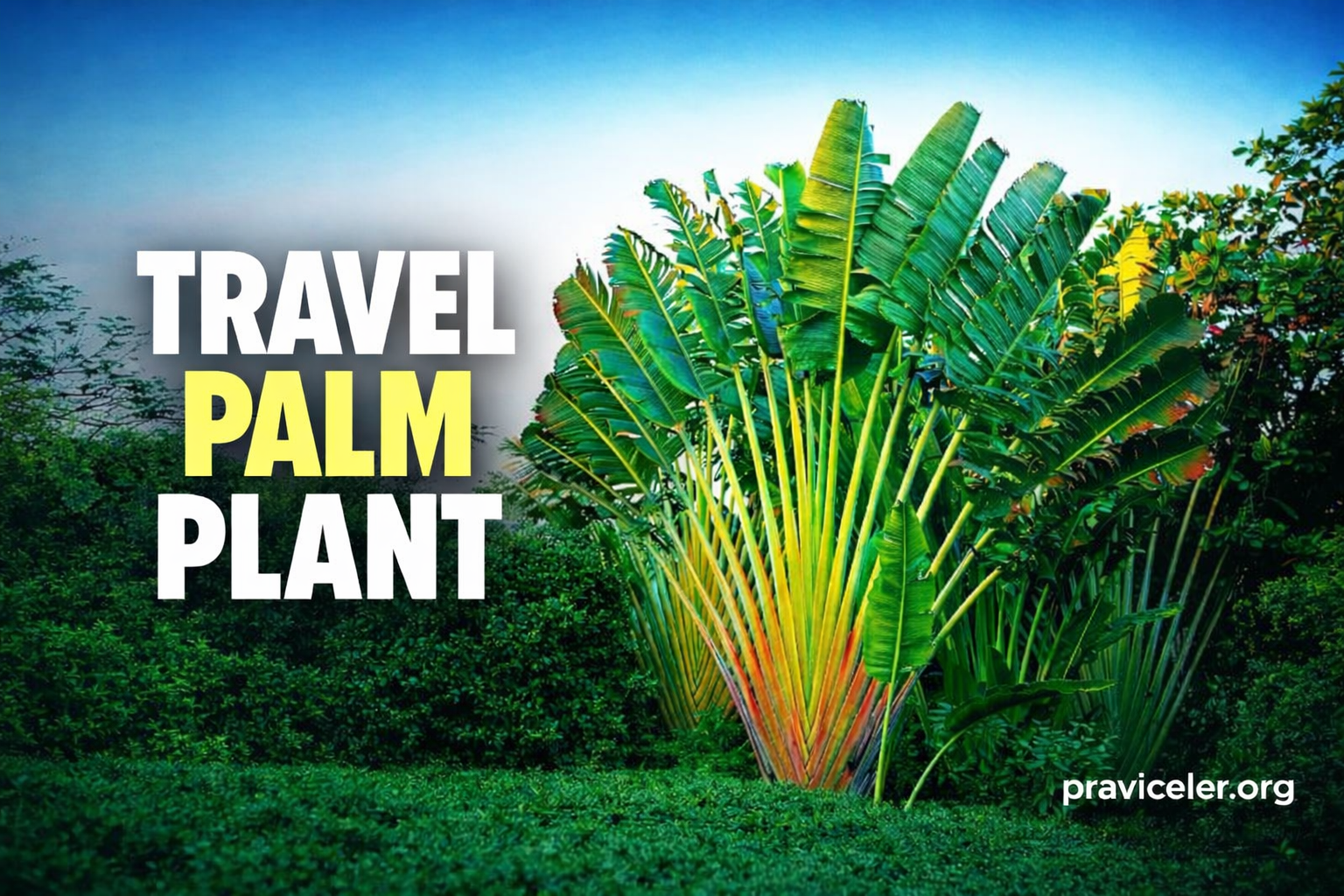
The travel palm plant has a way of stopping people in their tracks. The first time you see it, the wide fan of green leaves feels almost unreal, as if someone carefully arranged each blade by hand. It does not simply grow, it presents itself. Rising tall and proud, it often lines tropical roads, welcomes guests at seaside resorts, and stands gracefully inside botanical gardens where the air feels warm and alive. Its presence is bold yet calming, dramatic yet inviting. While its beauty captures attention instantly, its story runs much deeper than what the eye can see.
Originally from Madagascar, the travel palm plant surprises many people because it is not actually a palm tree. It belongs to the same plant family as the bird of paradise, which explains its sculptural form and exotic character. Its botanical name is Ravenala madagascariensis, a name that reflects its heritage. Over generations, it earned the nickname traveler tree due to the long held belief that rainwater collects at the base of its leaves, offering relief to thirsty travelers passing through tropical landscapes.
In this guide, you will explore more than just how the travel palm plant looks. You will learn where it comes from, how to care for it, what it symbolizes, and why it plays such an important role in both gardens and natural ecosystems. Whether you are drawn to it for landscaping, curiosity, or pure admiration, understanding the travel palm plant from its roots to its towering leaves reveals why it remains one of the most captivating tropical plants in the world.
What Is The Travel Palm Plant

The travel palm plant is a tropical evergreen plant known for its symmetrical fan arrangement of leaves. Despite its name, it is not a palm tree. It grows in a single plane, meaning its leaves spread out like a giant green hand held upright.
Botanical Classification
Below is a simple overview of its classification.
| Category | Details |
|---|---|
| Scientific Name | Ravenala madagascariensis |
| Common Name | Travel palm plant, Traveler tree |
| Native Region | Madagascar |
| Plant Family | Strelitziaceae |
| Growth Type | Evergreen tropical plant |
| Average Height | 30 to 50 feet in ideal conditions |
Its large banana like leaves can reach up to 10 feet long. The trunk is straight and sturdy, formed by old leaf bases stacked tightly together.
Why It Is Called The Traveler Tree
The nickname traveler tree comes from two main beliefs:
• Rainwater collects at the base of the leaf stems
• The fan shape often grows in an east west direction, helping with navigation
Although the stored water is not always safe to drink, the legend has added to the plant’s mystique for centuries.
Origin And Natural Habitat
The travel palm plant grows naturally in Madagascar’s tropical rainforests. It thrives in warm, humid conditions with consistent rainfall.
In its native environment, it plays an essential ecological role by:
• Providing shelter for birds and insects
• Offering nectar rich flowers for pollinators
• Stabilizing soil in rainforest ecosystems
Over time, it has been introduced to tropical and subtropical regions worldwide, including Southeast Asia, Central America, and parts of the southern United States.
Physical Characteristics And Growth Pattern
The travel palm plant stands out because of its architectural growth pattern.
Fan Shaped Structure
Unlike typical trees with rounded canopies, this plant grows in a flat fan shape. The leaves are arranged in a single vertical plane, creating a dramatic visual effect.
Height And Spread
In ideal tropical conditions, the plant can reach:
• 30 to 50 feet tall
• 15 to 20 feet wide
In cooler climates, growth may be slower and slightly shorter.
Flowers And Seeds
Mature plants produce white flowers enclosed in boat shaped bracts. These flowers are pollinated primarily by lemurs in Madagascar. The seeds are bright blue, creating a stunning contrast against the white blooms.
How To Grow And Care For Travel Palm Plant
Growing the travel palm plant requires understanding its tropical origins. While it can adapt to various environments, proper care ensures healthy growth.
Climate Requirements
The plant thrives in:
• Warm temperatures between 65 and 95 degrees Fahrenheit
• High humidity
• Full sun exposure
It does not tolerate frost well. Prolonged cold can damage leaves and stunt growth.
Soil Conditions
Well draining soil is essential. Ideal soil characteristics include:
• Rich organic content
• Slightly acidic to neutral pH
• Good drainage to prevent root rot
Watering Needs
The travel palm plant loves consistent moisture, especially during the growing season.
Watering tips:
• Keep soil evenly moist but not waterlogged
• Reduce watering slightly during cooler months
• Ensure proper drainage to avoid standing water
Fertilization
Feed with a balanced slow release fertilizer during spring and summer. Organic compost can also improve soil health and encourage steady growth.
Landscaping With Travel Palm Plant
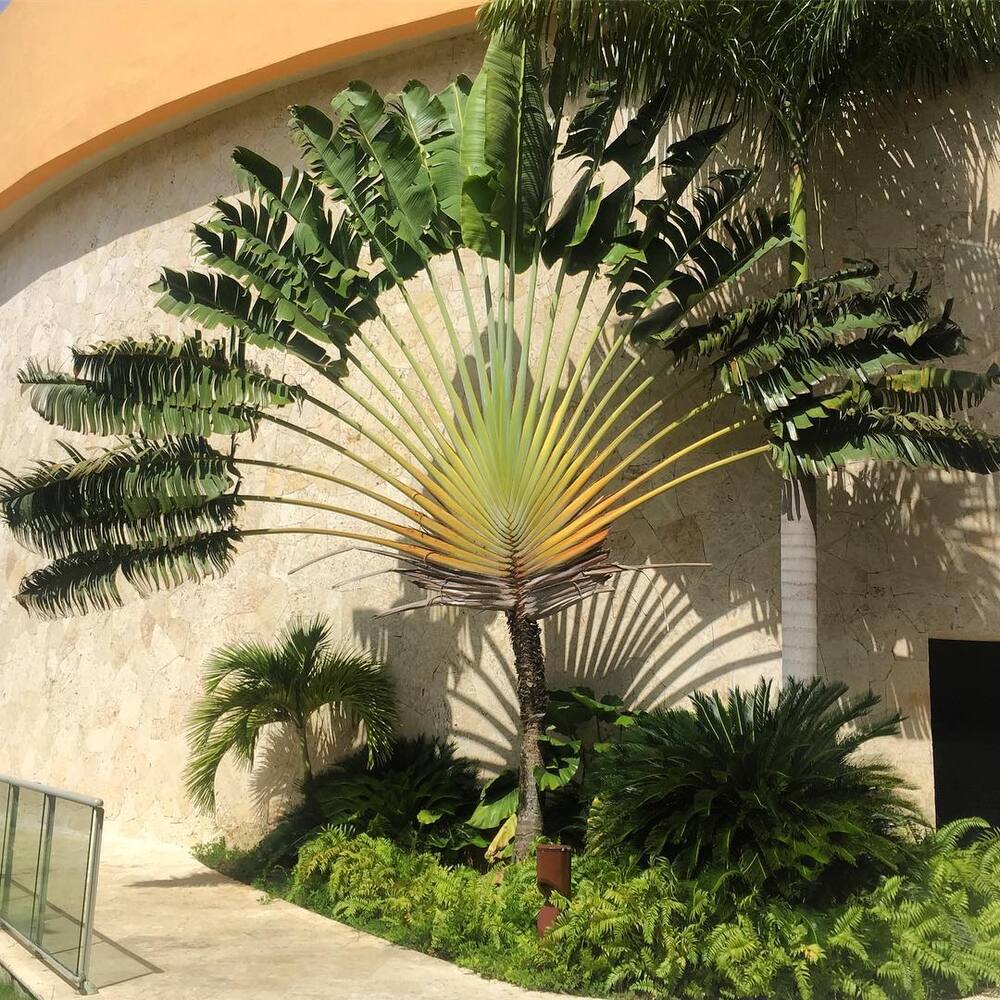
Landscape designers often use the travel palm plant as a statement piece.
Focal Point In Gardens
Its symmetrical shape draws attention immediately. It works beautifully as:
• A centerpiece in tropical gardens
• A dramatic entrance feature
• A backdrop for smaller flowering plants
Privacy And Structure
When planted in rows, it creates a striking green wall effect. The tall leaves offer partial privacy while maintaining an airy feel.
Container Growing
In cooler climates, younger plants can be grown in large containers and moved indoors during cold seasons. However, long term container growth limits height.
Cultural And Symbolic Meaning
The travel palm plant carries symbolic meaning in many cultures.
Symbol Of Guidance
Because of its east west leaf orientation, it is often associated with direction and travel.
Representation Of Hospitality
The belief that it stores water for travelers symbolizes generosity and support.
Tropical Identity
In many coastal destinations, the plant represents relaxation, exploration, and connection to nature.
Ecological Importance
Beyond its beauty, the travel palm plant supports biodiversity.
• Its flowers provide nectar for wildlife
• Large leaves offer shelter from rain and sun
• Fallen leaves enrich soil organic matter
In Madagascar, it forms part of complex rainforest systems that support rare species. Protecting its native habitat remains crucial for environmental balance.
Common Problems And Solutions
Although generally hardy, the travel palm plant can face a few challenges.
Yellowing Leaves
Possible causes:
• Overwatering
• Poor drainage
• Nutrient deficiency
Solution: Improve drainage and adjust watering schedule.
Leaf Tearing
Strong winds can split the large leaves. This is natural and does not usually harm the plant.
Pest Issues
Occasional pests include:
• Spider mites
• Scale insects
Regular inspection and organic pest control methods usually keep infestations manageable.
Travel Palm Plant Versus True Palm Trees
Many people confuse the travel palm plant with true palm trees. Here is a comparison for clarity.
| Feature | Travel Palm Plant | True Palm Trees |
|---|---|---|
| Leaf Arrangement | Fan shaped in one plane | Circular canopy |
| Plant Family | Strelitziaceae | Arecaceae |
| Native Origin | Madagascar | Various tropical regions |
| Trunk Formation | Layered leaf bases | Woody trunk |
Understanding this distinction helps gardeners choose the right plant for their landscape goals.
Propagation Methods
The travel palm plant can be propagated through seeds or division of offshoots.
Growing From Seeds
Steps include:
• Soaking seeds in warm water for 24 hours
• Planting in moist, well draining soil
• Keeping temperature warm and humid
Germination may take several weeks.
Dividing Offshoots
Mature plants sometimes produce suckers at the base. These can be carefully separated and replanted.
Indoor Growing Possibilities
While the travel palm plant is best suited for outdoor tropical climates, smaller specimens can be grown indoors with proper care.
Important considerations:
• Provide bright indirect sunlight
• Maintain consistent humidity
• Use large pots with drainage holes
Keep in mind that indoor growth may limit size and flowering potential.
Expert Insights On Long Term Growth
Healthy long term growth depends on:
• Adequate spacing for root expansion
• Protection from extreme cold
• Balanced nutrition
Garden professionals often recommend planting it where it has enough room to reach full maturity. Crowded conditions restrict its iconic fan formation.
Conclusion
The travel palm plant is more than an ornamental tropical feature. It represents history, culture, ecology, and architectural beauty in one living form. From its roots in Madagascar to its presence in global landscapes, it continues to inspire travelers, gardeners, and nature lovers alike.
With proper care, the travel palm plant can thrive for decades, becoming a lasting symbol of elegance and resilience. Whether planted in a spacious tropical garden or admired in a botanical collection, it remains one of the most visually captivating plants in the world.
Frequently Asked Questions
Is the travel palm plant a real palm tree
No, it is not a true palm. It belongs to the Strelitziaceae family.
How fast does the travel palm plant grow
In ideal tropical conditions, it can grow several feet per year during early stages.
Can the travel palm plant survive cold weather
It does not tolerate frost well and may suffer damage in freezing temperatures.
Does the travel palm plant really store drinking water
Rainwater collects in leaf bases, but it is not always safe for drinking.
How tall can the travel palm plant grow
It can reach between 30 and 50 feet in optimal tropical climates.


Assimilasjon: Understanding its Meaning, Impact, and Role in Society

Calamariere: A Complete Guide to Meaning, Origin, Recipes, and Cooking Styles

Nerwey Guide: Meaning, Features, Benefits & Future Explained

Fappelo in 2026: Complete Guide to Features, Usage, Safety, and Facts

You Study for Months. You Pass One Exam. Your Salary Goes Up for the Rest of Your Career. That’s the Deal.

Assimilasjon: Understanding its Meaning, Impact, and Role in Society
Introduction: What is Assimilasjon and Why Does It Matter? In today’s globalized world, the concept of assimilasjon (assimilation) is becoming...

Calamariere: A Complete Guide to Meaning, Origin, Recipes, and Cooking Styles
Introduction: What is Calamariere and Why You Should Try It When it comes to Italian cuisine, few dishes capture the...

Nerwey Guide: Meaning, Features, Benefits & Future Explained
In today’s fast-moving digital era, new ideas spread quickly across the internet. People are always searching for concepts that feel...

Fappelo in 2026: Complete Guide to Features, Usage, Safety, and Facts
The term Fappelo has been appearing frequently online in 2026. Many people are searching for it every day. Some users...

You Study for Months. You Pass One Exam. Your Salary Goes Up for the Rest of Your Career. That’s the Deal.
Career planning advice tends to fall into two categories: the inspirational kind that makes you feel something and the practical...


Webfreen.com Fashion Collections for Men, Women & Kids (2026)
Webfreen.com has established itself as a go-to destination for fashion enthusiasts in 2026. Known for its diverse and stylish clothing...


Fashion White 2125: Characteristics, Uses & Specification Essentials
Fashion White 2125 is a premium laminate that has gained significant popularity in modern interior design. Known for its crisp,...

Health threetrees com vn Complete Guide for Total Wellness Daily
Introduction to Health threetrees com vn In today’s fast-paced world, reliable health guidance is essential. Health threetrees com vn is...

Tsunaihaiya Where Nature and Conscious Travel Meet
Travel today is no longer just about sightseeing. People are searching for meaning, responsibility, and deeper connection. Tsunaihaiya represents this...

Sustainable Stileloot Com Fashion Alternatives You Can Truly Trust
The global fashion industry is changing. Shoppers are no longer satisfied with fast trends, unclear sourcing, or vague promises about...
-
Trend Forecasting4 months ago
You Study for Months. You Pass One Exam. Your Salary Goes Up for the Rest of Your Career. That’s the Deal.
-
Fashion Marketing5 months ago
Sustainable Stileloot Com Fashion Alternatives You Can Truly Trust
-
Luxury Integrated Resorts5 months ago
Tsunaihaiya Where Nature and Conscious Travel Meet
-
 Tech6 months ago
A Clear Path to Better Health Conversations Through TimesHealthMag
-
Trend Forecasting5 months ago
Health threetrees com vn Complete Guide for Total Wellness Daily
-
Fashion Marketing4 months ago
Fashion White 2125: Characteristics, Uses & Specification Essentials
-
Modeling4 months ago
Webfreen.com Fashion Collections for Men, Women & Kids (2026)
-
Tech4 months ago
Nerwey Guide: Meaning, Features, Benefits & Future Explained